
Web accessibility is now a measurable business risk and a real growth opportunity. These numbers show why ADA and WCAG compliance belongs on your roadmap, not your wish list.




The Accessibility Gap, by the Numbers
95.9%
Homepages fail WCAG
WebAIM Million, 2026
5,000+
U.S. accessibility lawsuits in 2025
UsableNet, 2025
~70%
Of those lawsuits hit ecommerce
UsableNet, 2025
1 in 4
U.S. adults live with a disability
CDC, 2022
Web Accessibility That Works for Everyone
The internet is built for everyone, but most of it still is not usable by everyone. When your website does not meet ADA and WCAG standards, you shut out millions of potential customers and expose your business to legal action. Pulse Software Solutions LLC helps you close that gap. We make websites, web applications, mobile apps, documents, and enterprise systems accessible to people with disabilities, and we keep them that way.
The Americans with Disabilities Act (ADA) prohibits discrimination based on disability. Today that protection extends well beyond ramps and restrooms to the digital services people use every day. Meeting ADA requirements is both a legal obligation and the right thing to do, and we treat it as both.
Based in Denver, Colorado and serving clients across the United States, our team has remediated complex systems that most vendors will not touch: sites with thousands of PDFs, ecommerce stores with tens of thousands of SKUs, and interactive tools like product configurators and booking systems. We bring every digital asset to meet or exceed WCAG 2.2 Level AA standards.
What We Make Accessible
Accessibility is not one task. It spans your whole digital footprint. These are the six areas we cover, and they work just as well on their own as they do together.
Accessibility Audits
Automated and manual testing across pages, forms, PDFs, and video, scored against WCAG 2.2 Level AA. You get a clear report of every failure with a recommended fix and effort estimate.
Code & UI Remediation
Our engineers fix the underlying code, not a surface overlay. We correct headings, focus order, color contrast, ARIA, and keyboard navigation so assistive technology works the way users expect.
PDF & Document Remediation
Inaccessible PDFs are a top source of complaints. We tag, reorder, and label documents at scale, remediating thousands of files to pass WCAG 2.1 and Section 508 checks.
Ecommerce Accessibility
Large catalogs and multi-step checkouts carry the most risk. We make product grids, filters, carts, and checkout usable for everyone on ecommerce stores with tens of thousands of SKUs.
Mobile App Accessibility
Accessibility does not stop at the browser. We test and remediate native and cross-platform mobile apps so screen readers, captions, and touch targets meet the standard.
Monitoring & Governance
Compliance is not a one-time fix. We embed accessibility into your CMS workflows and release cycles, then monitor for regressions so new content stays compliant.
Why ADA Compliance Matters
Accessibility protects you from real risk and opens real opportunity. Here is what an ADA-compliant digital experience does for your business.
- Avoid lawsuits, demand letters, and the brand damage that follows an inaccessible site.
- Reach 1 in 4 U.S. adults who live with a disability, plus an aging population that depends on accessible design.
- Improve SEO, since the clean structure and alt text that screen readers need also help search engines.
- Lift conversions by removing the navigation and checkout barriers that quietly cost you sales.
- Strengthen trust and show social responsibility that customers and partners increasingly expect.
- Stay ahead of tightening rules, including the DOJ Title II and HHS Section 504 web requirements now in effect.
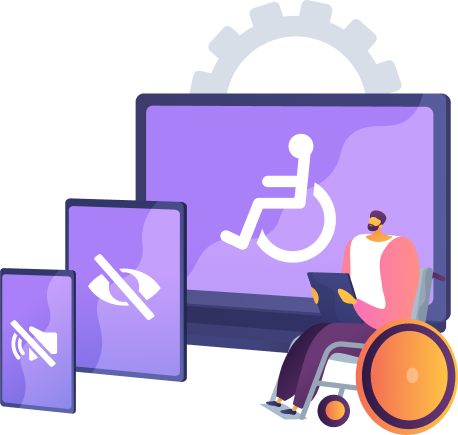
Common Barriers We Fix
Most accessibility failures fall into a handful of recurring patterns. These are the ones we find and correct most often across websites, stores, and documents.
- Missing or generic alt text on images and product photos
- Poor color contrast that makes text hard to read
- Forms and checkout fields with no labels for assistive tech
- Keyboard traps and missing focus indicators in menus and carts
- Skipped or illogical heading levels that confuse screen readers
Our Accessibility Process
Accessibility is an engineering discipline, not a checkbox. We follow a proven process that takes you from a clear picture of where you stand to a compliant site you can keep compliant.
Discovery and Accessibility Audit
We crawl your full site, including PDFs, forms, and interactive elements, then run automated scans with tools like Axe and WAVE to catch obvious failures.
You receive a documented list of WCAG 2.2 Level AA violations with screenshots, severity, and recommended fixes.
Manual and Assistive-Technology Testing
Automated tools catch only part of the picture, so our specialists test by hand with screen readers (NVDA, JAWS, VoiceOver) and keyboard-only navigation.
We walk real user flows, from search to product detail to cart to checkout, confirming each step works without a mouse.
Remediation Planning
We prioritize issues by severity and business impact, then group similar problems for efficient fixes.
The result is a clear roadmap with timelines that line up with your release cycles and platform constraints.
Code and Content Remediation
Our engineers fix the source: alt text, heading structure, focus order, ARIA live regions, color contrast, and labeled forms. For older templates we often pair this with modernizing legacy templates so fixes hold site-wide.
We confirm every change preserves your SEO, analytics, and performance.
Validation and Compliance Documentation
We re-run automated scans, perform manual regression tests, and validate with people who use assistive technology.
You receive before-and-after evidence and conformance documentation (such as a VPAT) you can present in an audit or lawsuit.
Training and Ongoing Monitoring
Accessibility holds only when your team can maintain it. We train content authors and add checks to your CMS workflow so new pages and products stay compliant.
Optional monitoring and scheduled audits catch regressions early, with emergency remediation available if a complaint or lawsuit arrives.
Whether you have a five-page brochure site or a platform with thousands of PDFs and products, this process scales to fit. Talk to our Denver team about a plan built around your systems and your risk.
Flexible Engagement Models
Start wherever you need to. Each engagement stands on its own, and most clients move naturally from an audit into remediation and ongoing compliance.
Accessibility Audit
A full WCAG 2.2 Level AA assessment of your site, app, or document library. You get a prioritized report of every issue with screenshots, severity, and recommended fixes. The right starting point when you need to know your risk.
Remediation
Hands-on engineering that fixes issues in code and design, not a widget bolted on top. Best when you have audit findings (ours or another vendor's) and need real, durable fixes that hold up to legal scrutiny.
Compliance Documentation
Conformance evidence you can stand behind: a VPAT or equivalent, before-and-after reports, and an accessibility statement. Built for teams facing an audit, a contract requirement, or active litigation.
Ongoing Compliance
Scheduled audits, CMS-level checks, team training, and monitoring that keep new content compliant. The right fit for sites that change often, like stores and blogs, where regressions creep in over time.
FAQs
What is ADA compliance for websites?
ADA compliance means your website and digital services can be used by people with disabilities, in line with the Americans with Disabilities Act. In practice that is measured against the Web Content Accessibility Guidelines (WCAG), so a screen reader user, a keyboard-only user, or someone with low vision can complete the same tasks as anyone else.
Why is ADA compliance important?
There are two reasons. First, it protects you from legal risk, and more than 5,000 digital accessibility lawsuits were filed in the U.S. in 2025 alone. Second, it expands your reach to the 1 in 4 U.S. adults who live with a disability, while improving SEO, trust, and conversions along the way.
What ADA and WCAG levels do you target?
We target WCAG 2.2 Level AA, which is the standard courts, regulators, and most contracts expect. It covers the A and AA success criteria, and we can document conformance for you when it is needed.
What types of systems can you make ADA-compliant?
Websites, web applications, mobile apps, PDFs and other documents, and enterprise systems. We have remediated complex setups that many vendors avoid, including sites with thousands of PDFs, large ecommerce catalogs, and interactive tools like configurators and booking systems.
Do you handle large sites with many pages or documents?
Yes. Large libraries are one of our specialties. We use crawlers and scripts to inventory every page and PDF, sample and prioritize by risk, then remediate at scale rather than one file at a time.
What is your process for ADA compliance?
We follow six phases: discovery and audit, manual and assistive-technology testing, remediation planning, code and content remediation, validation and documentation, then training and ongoing monitoring. The process scales to fit a small site or a large platform.
Do you test both automatically and manually?
Always. Automated tools like Axe and WAVE catch common, high-volume issues quickly, but they find only part of the picture. Our specialists test by hand with screen readers and keyboard navigation to catch the issues that automation misses.
Can you make ecommerce stores ADA-compliant?
Yes, and ecommerce is where the most risk sits, since roughly 70% of 2025 accessibility lawsuits targeted online stores. We make product grids, filters, carts, and multi-step checkout accessible, and we work across platforms including Shopify and WooCommerce.
Do you provide documentation for compliance?
Yes. We deliver before-and-after evidence of the fixes, plus conformance documentation such as a VPAT, that you can present during an audit or in response to a legal claim. This is part of our security audits and compliance work as well.
Do you offer ongoing ADA compliance support?
Yes. Because sites change constantly, ongoing support is often the most valuable part. We provide scheduled audits, CMS-level checks, team training, and monitoring so new content stays compliant, with emergency remediation available if a complaint arrives.
Looking for an agency for your next cloud initiative?
Since 1998, Pulse Software Solutions has delivered over 5,000 solutions worldwide, with operational excellence at the core of our work culture.
See Our Success Stories Request a Free Estimate OUR CLIENTS
Who We Work With








RELATED BLOGS
AI Software Development Recent Posts

Essential Considerations for Selecting a Custom AI Solution
In today’s dynamic business environment, leveraging the power of artificial intelligence (AI) can give your organization a competitive edge. However, choosing the right custom AI solution may feel a bit…
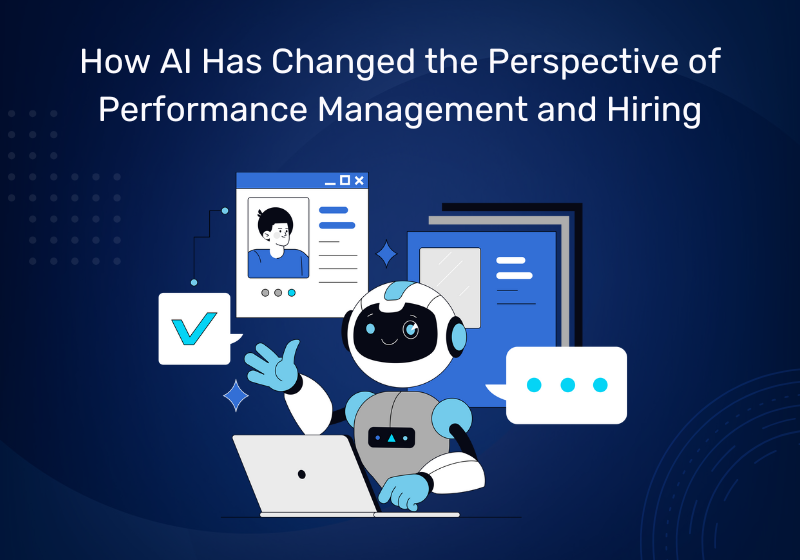
How AI Has Changed the Perspective of Performance Management and Hiring
The rise of artificial intelligence (AI) has redefined numerous business functions, and nowhere is this transformation more evident than in performance management and hiring. Traditionally, these areas relied heavily on…
AI-Powered SEO: Enhancing Your Website’s Visibility and Performance
At Pulse Software Solutions, we harness the power of Artificial Intelligence (AI) to revolutionize our SEO strategies, ensuring our clients’ websites achieve superior visibility and performance. Here’s an in-depth look…


